The Homesteader’s Guide to Planting & Soil Stewardship
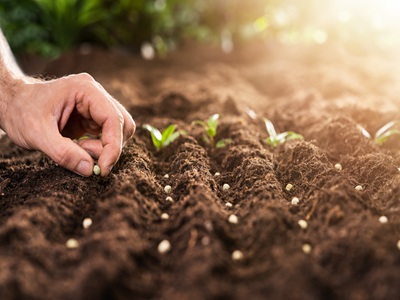
Gardening is more than just putting a seed in the dirt; it’s an act of faith and a commitment to self-reliance. At The Seed Guy®, we believe that understanding the scientific rules of building fertility and tracking the direct heirloom harvest rhythms of nature is what separates a basic hobby from a massive, high-yielding backyard layout. Perfecting your planting & soil stewardship strategy serves as the structural foundation of the homestead, and getting it right starts long before the first spring sprout emerges.
The Foundation: Thermal Ground Cycles Analysis
Many folks watch the standard thermometer on their porch, but the seasoned homesteader monitors internal bed metrics. Even if the spring air registers a balmy 70 degrees, chilled dirt blocks can cause heirloom varieties to go completely dormant or rot before waking up. Monitoring your thermal ground cycles directly determines initial germination speeds and the ultimate vigor of your plant's structural root system. Understanding your local frost lines is key to managing a successful homestead layout year after year.
To cross-reference your zone's exact calendar dates and regional warming cycles before putting out transplants, consult the external USDA Plant Hardiness Zone Map to safely coordinate your calendar blueprints.

Managing Your Regional Seed Timing Shift
By executing precise **backyard row spacing** grids and adjusting to **tracking soil frost** patterns, you can optimize three distinct planting shifts:
The "Early Risers" (Hardy Cool-Season Crops)
These varieties have true homestead grit. They handle light morning frosts beautifully and prefer the cool breath of early spring.
Planting Window: 2 to 4 weeks before your last expected regional frost date.
The Varieties: Spinach, Kale, Peas, Radishes, and Broccoli.
Homestead Tip: These are your first fruits. Planting these early using smart **regional seed timing** strategies ensures your family has fresh greens on the table while others are still waiting on hardware stores.
The "Steady Growers" (Mid-Spring Semi-Hardy)
These crops love the afternoon sun but don't mind a cool night. They serve as the biological bridge between the last hard freeze and the summer heat waves.
Planting Window: Right around your official last frost calendar date.
The Varieties: Beets, Carrots, Swiss Chard, and Lettuce.
Technical Note: Carrots and Beets are sensitive to crusty topsoil. Keep your **organic plot layouts** consistently moist until they emerge—once their taproots are established, they are as tough as nails.
The "Sun Seekers" (Tender Warm-Season Crops)
These are the crown jewels of the summer layout. They require absolute patience and a guarantee of steady ground warmth.
Planting Window: 2 weeks after the last spring frost, when night temperatures stay consistently above 50°F.
The Varieties: Tomatoes, Peppers, Melons, Squash, and Corn.
Homestead Tip: Don't rush these! A tomato plant set out in warm late-spring soil will easily outpace a stunted start put out too early in chilly dirt blocks.
Quick Growing Specifications
Approx. 7-14 days to germination | 100% Non-GMO heirloom seeds | Open-pollinated for generational food security | Recommended soil pH: 6.2 to 6.8 for most vegetables
Why choose a professional Planting & Soil Stewardship blueprint?
- ✅ Seasonal Crop Timing: Staggering crops based on thermal maximums guarantees continuous garden output.
- ✅ Organic Plot Layouts: Balanced multi-tiered beds maximize available square footage and sunshine capture.
- ✅ Thermal Ground Cycles: Tracking real ground heat stops seed rot and ensures high early germination rates.
- ✅ Heirloom Harvest Rhythms: Traditional open-pollinated techniques from the seed guy ® build long-term self-reliance.
At The Seed Guy®, we don't just sell seed stocks; we provide the foundation for a permanent legacy of land stewardship. When you plant our heirloom varieties using our comprehensive planting & soil stewardship guidelines, you are connecting directly to a chain of seed stewards that stretches back centuries—people who understood that a well-stocked winter pantry is the heartbeat of a happy home from the team at the seed guy ®.
Step by Step Guide - Expand Your Homestead Knowledge
If you enjoyed this guide, you may find these other Gardening Essentials helpful:
The Ultimate Homestead Garden Planning Guide — Map out your garden layout and timing.
Seed Starting 101: From Tray to Trench — Learn how to grow strong seedlings indoors.
Soil Health & Preparation — Build the foundation for a High-Yielding Harvest.
Tomato Growing Secrets — Pro-tips for a Flavor-Kissed Harvest.
Raised Bed Gardening — Learn the best Soil Recipes for elevated beds.
Planting & Soil Stewardship — Timing your harvest and understanding soil rhythms.
Garden Harmony: Companion Planting — Planting in partnership to naturally deter pests.
The Planting Calculator — How Much to Plant for fresh eating and food security.
Seed Saving: Preserving the Heirloom Legacy — Preserve your garden’s heritage for future generations.
Natural Pest Management — Protect your harvest without the use of harsh chemicals.
Composting: The Homestead’s Black Gold — Turn your kitchen and yard waste into a garden goldmine.
The Survival Seed Bank — Why genetic diversity and calorie density are your best food insurance.
Liquid Gold: DIY Comfrey Fertilizer — Brew the ultimate nutrient-dense "tea" for a high-yielding harvest.
The Kitchen Apothecary — Learn to heal and season with your heirloom herb harvest.
Watering Wisdom — Master the art of hydration for a resilient, deep-rooted heirloom harvest.
The Underground Powerhouse — The best cold-hardy varieties to kickstart your early season harvest.
The Master Yield Guide — Maximize your Garden ROI with our comprehensive production chart.
Growing Survival Grains — Essential techniques for cultivating calorie-dense grains in your home garden.
Small Space Success — Master the art of growing food security on your porch or windowsill.
Steps to Your Best Harvest Yet — Don't leave your 2026 garden to chance.
Tea Lights & Heirloom Seeds — Creating Your Own Enclosed Garden Oasis.