Get Your Superfood On! How to Grow Ancient Pseudo-Cereals for Maximum Homestead Protein
Discover how crops like Amaranth and Quinoa bridge the gap between stunning ornamental garden flowers, nutrient-dense leafy greens, and bulletproof complete-protein grains for your pantry!
When most growers think of planting grain in their backyard plots, they picture massive, swaying fields of wheat, barley, or oats—crops that often require heavy machinery, huge acreage, and tedious threshing processes just to yield a usable harvest. But what if you could grow a heavy-producing, high-protein staple crop right in a standard raised bed or small garden patch?
Enter the world of Pseudo-Cereals! Known as the "Superfoods of the Ancients," these extraordinary heirloom plants produce seeds that are used, cooked, and stored just like traditional cereal grains, but come with a nutritional and homesteading punch that traditional grains can't touch. If you are ready to "Get Your Superfood On" and bring maximum food independence to your land, it is time to unlock the power of these incredible dual-purpose crops!
What Exactly Is a "Pseudo-Cereal"?
In simple botanical terms, true cereal grains (like wheat, corn, rice, and rye) belong to the grass family (Poaceae). Pseudo-cereals, on the other hand, are non-grass broadleaf plants that produce small, carbohydrate- and protein-rich seeds that function identically to grains in the kitchen.
Because they aren't true grasses, pseudo-cereals are naturally 100% gluten-free. Even better? Unlike standard grains that often lack essential amino acids, pseudo-cereals like Quinoa and Amaranth are complete proteins, containing all nine essential amino acids required for human health. That makes them a holy grail for homesteaders, survival seed bank builders, and healthy gardeners looking to maximize the nutritional output of every square foot of soil!
🌟 The Big Three Benefits of Growing Pseudo-Cereals:
- Complete Protein Power: Fuel your family with clean, home-grown proteins without needing a barnyard full of livestock!
- Dual-Harvest Efficiency: Harvest tender young leaves early in the season for vitamin-packed salads greens, then collect abundant grain in the fall.
- Unbeatable Drought & Heat Tolerance: These ancient staples thrived in harsh mountain and tropical environments for centuries—they will handle summer heatwaves like total champions.
Meet the Stars of the Pseudo-Cereal World
If you want to start growing high-yield, ancient pseudo-cereals in your own backyard, here are the two royalty heirloom varieties every home gardener should know:
1. Amaranth (The Aztec Powerhouse)
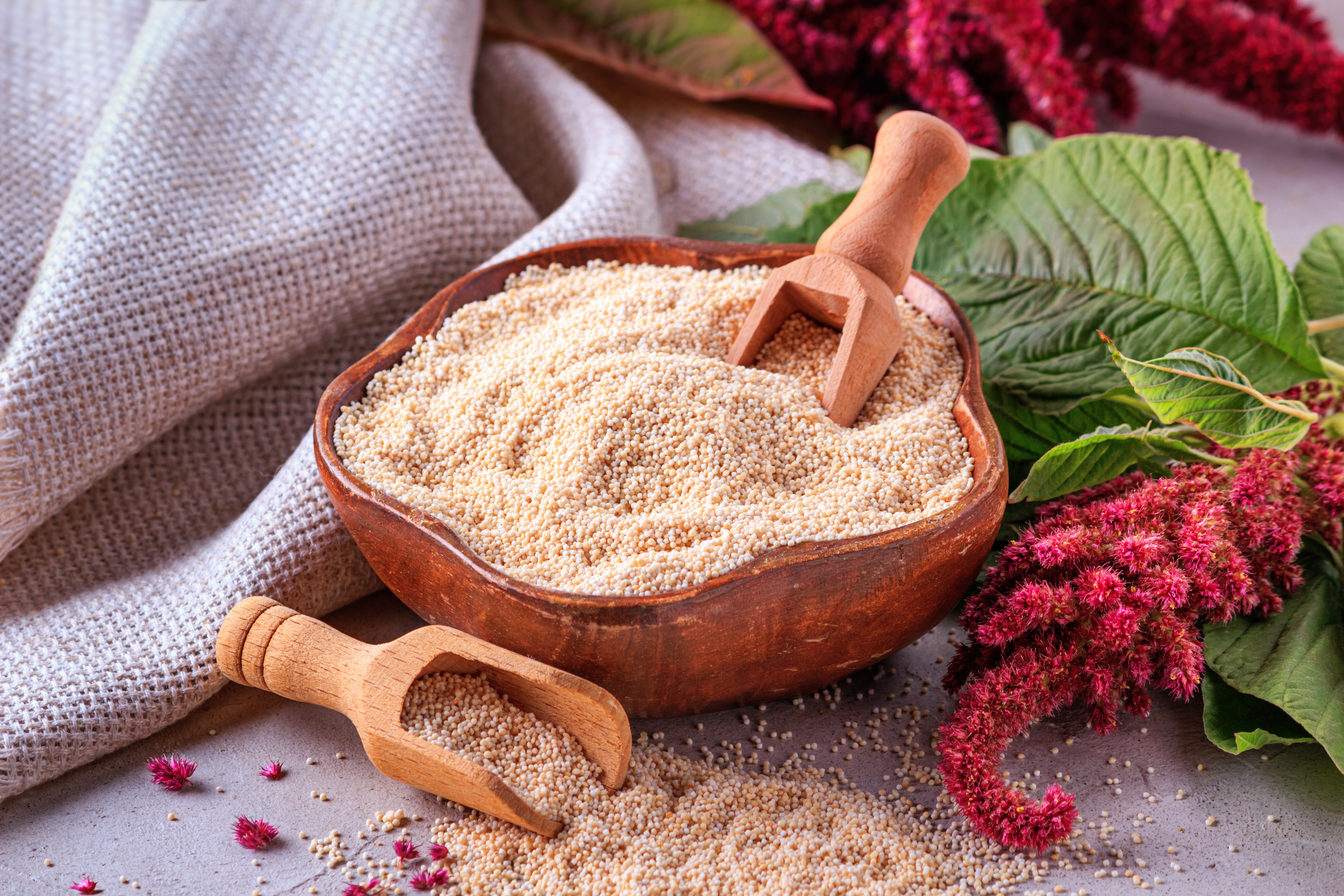
Cultivated for thousands of years by the Aztecs, Amaranth stands as a towering "Homestead Hero." Featuring striking burgundy flower spires that double as a stunning pollinator magnet, this crop yields thousands of tiny, golden-to-pinkish seeds per head. You can pop the seeds like tiny popcorn, boil them into rich hot cereal, or harvest the deep red leaves for a spinach substitute packed with iron and Vitamin C.
👉 Ready to plant this showstopper? Check out our premium Amaranth Seeds - Organic Pseudo-Cereal to get your plot started!
2. Quinoa (The Inca Gold Standard)
Hailing from the high Andes, Quinoa was revered as the "Mother Grain" by ancient Incan cultures. Quinoa plants produce large, colorful seed plumes in shades of magenta, orange, and deep red. It stands out as one of the very few plant foods on Earth that delivers a full, balanced profile of all essential amino acids in a light, fluffy grain format.
👉 Bring ancient Andean strength to your garden with our certified Quinoa Seeds - Organic Pseudo-Cereal!
Pro-Tips for Growing Pseudo-Cereals at Home
| Growing Stage | Best Homestead Practice |
|---|---|
| Sowing & Timing | Direct sow seeds in late spring once soil temperatures reach 65°F to 70°F. Seeds are small, so barely cover them with thin soil! |
| Spacing & Sun | Give them full sun (6 to 8+ hours) and thin stalks to 12 to 18 inches apart. These beauties grow tall and love breathing room! |
| Watering & Soil | Keep soil moist during germination. Once established, they are remarkably drought-tolerant and thrive even in moderate soils. |
| Harvesting Grain | Allow seed heads to dry on the plant in late summer or early fall. Shake dry heads into a clean bucket, winnow away chaff with a small fan, and store! |
Secure Your Pantry & Plant Ancient Seeds Today!
Whether you want to add eye-popping color to your garden beds, attract honeybees and butterflies, or lock in long-term survival nutrition in your home pantry, growing pseudo-cereals is one of the most rewarding moves a homesteader can make.
At The Seed Guy®, all our heirloom grain and pseudo-cereal seeds are tested for high germination and packaged in our Heavy-Duty 4-Mil Homestead Shield ziplocks so your investment stays safe from moisture and humidity until you are ready to plant. Grab your seed packets today and Get Your Superfood On! Be sure to join The Seed Guy® Facebook Community and follow us on Instagram for daily growing tips, harvest photos, and homestead inspiration!
Step by Step Guide - Expand Your Homestead Knowledge
If you enjoyed this guide, you may find these other Gardening Essentials helpful:
The Ultimate Homestead Garden Planning Guide — Map out your garden layout and timing.
Seed Starting 101: From Tray to Trench — Learn how to grow strong seedlings indoors.
Soil Health & Preparation — Build the foundation for a High-Yielding Harvest.
Tomato Growing Secrets — Pro-tips for a Flavor-Kissed Harvest.
Raised Bed Gardening — Learn the best Soil Recipes for elevated beds.
Planting & Soil Stewardship — Timing your harvest and understanding soil rhythms.
Garden Harmony: Companion Planting — Planting in partnership to naturally deter pests.
The Planting Calculator — How Much to Plant for fresh eating and food security.
Seed Saving: Preserving the Heirloom Legacy — Preserve your garden’s heritage for future generations.
Natural Pest Management — Protect your harvest without the use of harsh chemicals.
Composting: The Homestead’s Black Gold — Turn your kitchen and yard waste into a garden goldmine.
The Survival Seed Bank — Why genetic diversity and calorie density are your best food insurance.
Liquid Gold: DIY Comfrey Fertilizer — Brew the ultimate nutrient-dense "tea" for a high-yielding harvest.
The Kitchen Apothecary — Learn to heal and season with your heirloom herb harvest.
Watering Wisdom — Master the art of hydration for a resilient, deep-rooted heirloom harvest.
The Underground Powerhouse — The best cold-hardy varieties to kickstart your early season harvest.
The Master Yield Guide — Maximize your Garden ROI with our comprehensive production chart.
Growing Survival Grains — Essential techniques for cultivating calorie-dense grains in your home garden.
Small Space Success — Master the art of growing food security on your porch or windowsill.
Steps to Your Best Harvest Yet — Don't leave your 2026 garden to chance.
Tea Lights & Heirloom Seeds — Creating Your Own Enclosed Garden Oasis.
Grow Ancient Pseudo-Cereals — Get your superfood on with high-protein heirloom crops.