
Fall Gardening Guide: Second Harvest Blueprint
Don't hang up the shovel just yet! Master this fall gardening guide to grow frost-kissed heirloom crops, double your food security, and feast well into winter.
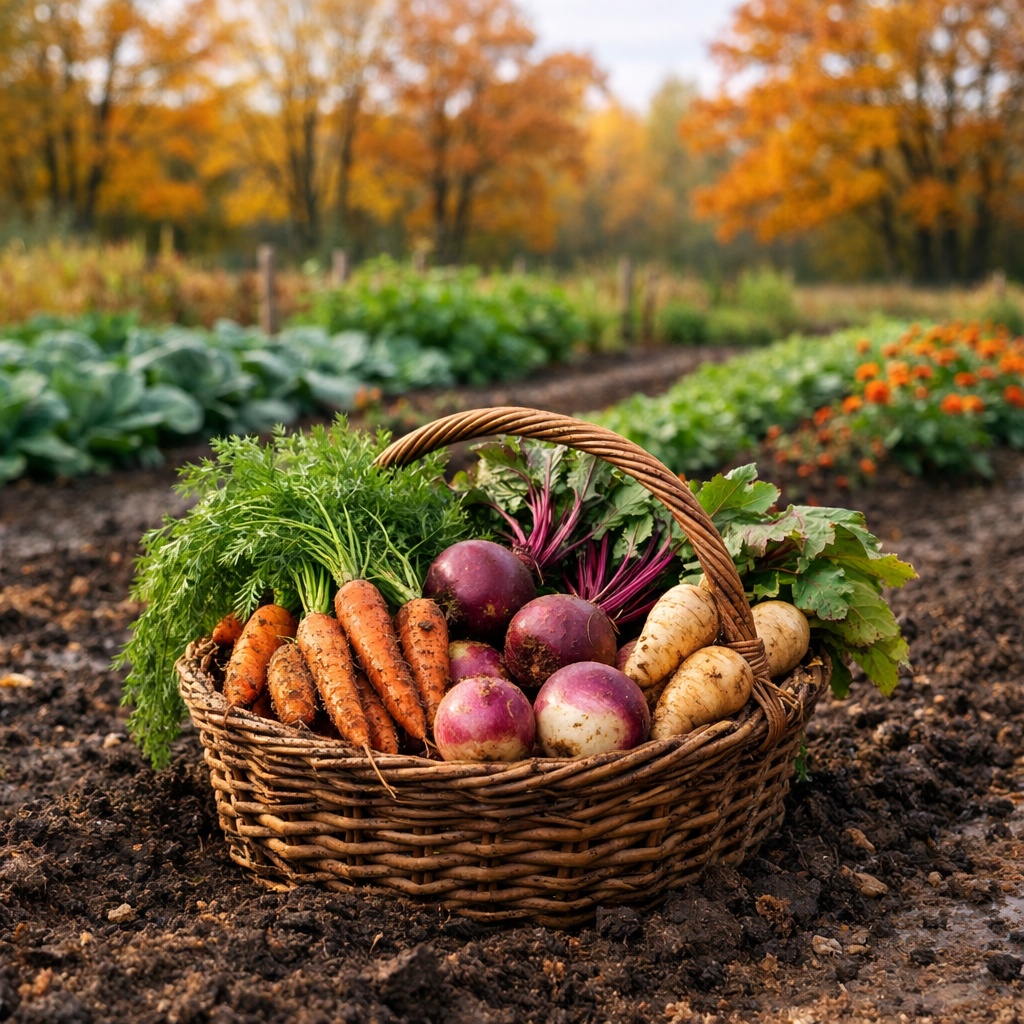
Welcome to your complete fall gardening guide for homesteading success! Most backyard gardeners make the mistake of pulling up their beds the moment summer heat fades, missing out on what seasoned growers know is the most rewarding growing season of the year. Autumn isn't the end of your growing season—it is your second wind. With fewer pests, predictable autumn rainfall, and cool temperatures that turn bitter greens into ultra-sweet delicacies, a well-planned fall garden is your fast track to true year-round food independence.
When you sow The Seed Guy® non-GMO heirloom seeds in late summer, you are taking advantage of warm soil temperatures that encourage lightning-fast germination. As cool autumn breezes set in, cool air slows down top growth while keeping root systems strong, storing high-density nutrients right where you want them. Following our second harvest guide for autumn vegetable planting guarantees your root cellar, pantry, and dinner table remain abundantly stocked with non-gmo fall seeds well after the first frost arrives.
Calculating Your Window & Succession Planting Strategy
Timing is everything when implementing a fall gardening guide for a second harvest. Unlike spring, where days grow longer and warmer, autumn vegetable planting is a race against shortening days and declining sunlight. To calculate your exact planting dates, look up your area's average First Fall Frost Date.
Next, count backward from that frost date by taking the "Days to Maturity" listed on your seed packet, and then add an extra 10 to 14 days to account for the "Fall Slowdown Factor" as solar hours decrease. Sowing cold hardy heirloom seeds like Blue Lake Bush Beans or quick-turnaround Crisp Heirloom Radishes within this target window guarantees your frost resistant vegetables reach full size before plant growth naturally pauses for winter.
Pro Homestead Strategy: Indoor Starting & Succession Planting
Don't wait for summer crops to finish before getting your fall beds ready! Starting fall brassicas like broccoli, cabbage, and Brussels sprouts indoors in trays during mid-to-late summer gives them a crucial head start. Once summer crops are harvested, replace them immediately using succession planting to maintain a continuous, uninterrupted yield throughout the entire fall planting season.
Late Summer Planting Chart & Frost Hardiness Reference
| Crop Variety | Weeks Before Frost | Frost Tolerance | Flavor Impact |
|---|---|---|---|
| Kale | 6-8 Weeks | Very Hardy (20°F) | Frost converts starches to sugar |
| Spinach | 6-8 Weeks | Extremely Hardy (15°F) | Deepens rich, tender flavor |
| Carrots | 10-12 Weeks | Hardy (25°F) | Incredible crunch & sweetness |
| Beets | 8-10 Weeks | Semi-Hardy (28°F) | Earthy, concentrated sugars |
| Radishes | 4-6 Weeks | Semi-Hardy (28°F) | Milder heat, crisp texture |
| Broccoli | 10-12 Weeks | Hardy (25°F) | Prevents summer bolting |
| Cabbage | 10-12 Weeks | Hardy (25°F) | Sweetens heads post-frost |
| Brussels Sprouts | 12-14 Weeks | Extremely Hardy (20°F) | Peak sweetness after hard freeze |
| Swiss Chard | 6-8 Weeks | Semi-Hardy (26°F) | Vibrant color & mild taste |
| Turnips | 8-10 Weeks | Hardy (22°F) | Prime for long-term cellaring |
| Rutabaga | 8-10 Weeks | Hardy (22°F) | Dense, sweet winter storage crop |
| Lettuce | 6-8 Weeks | Light Frost (30°F) | No bitter summer taste |
Homestead Note: Reference this late summer planting chart regularly as weather shifts. Light frosts (28°F–32°F) improve flavor in leafy greens, while essential winter gardening tips recommend simple frost cloth or cold frames for heavy freezes below 25°F.
Soil Rejuvenation & Fall Watering Rhythms
Your summer heavy feeders—like tomatoes, corn, and squash—have likely depleted vital nutrients from your garden soil. Before sowing your fall crops, clear out old, spent plant matter to eliminate hidden garden pests and fungal spores.
Top-dress your garden beds with 2 to 3 inches of rich organic compost or well-rotted manure to restore nitrogen levels. Apply a protective layer of clean straw mulch around your plants to regulate soil temperature, suppress weeds, and lock in critical soil moisture.
Smart Autumn Irrigation Tip: Due to fluctuating fall temperatures, adjust your watering schedule to early morning only. Morning watering minimizes evaporation while ensuring soil isn't sitting cold and saturated during chilly autumn nights, protecting young root systems from damping off or fungal decay.
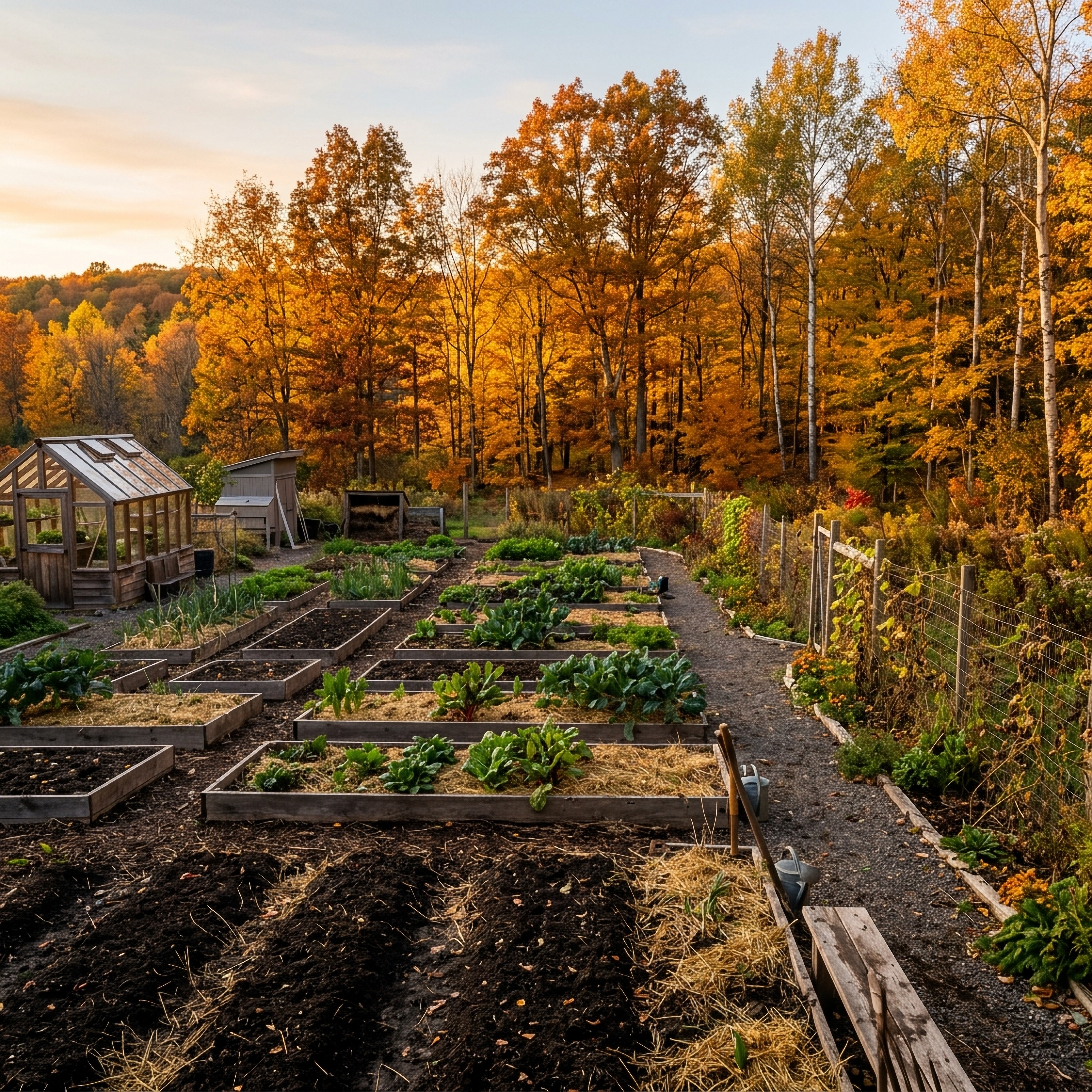
The "Frost Sugar Shift" & Season Extension Tools
Did you know that a gentle touch of frost actually makes your garden vegetables taste significantly better? Following this fall gardening guide reveals that cold-hardy crops like kale, carrots, spinach, and Brussels sprouts undergo a natural defense mechanism when air temperatures dip near freezing. To prevent plant cells from freezing, these crops convert stored starches into sugars, acting as natural antifreeze and delivering mind-blowing sweetness!
Season Extension & Freeze Defense:
Keep a close eye on your local weather forecast to protect your crops when temperatures plummet:
- Floating Row Covers: Lightweight fabrics create a nurturing microclimate that traps ground warmth during mild frost dips.
- Emergency Blankets & Cloches: When an unexpected hard freeze threatens, cover tender crops with blankets, tarps, or cloches for instant shield protection.
- Cold Frames (Mini-Greenhouses): Investing in a simple cold frame allows you to harvest crisp, fresh greens all the way through the winter months!
The Seed Guy® Promise
At The Seed Guy®, we believe food independence isn't seasonal—it's a lifestyle. Our non-GMO, open-pollinated heirloom seeds are selected for hardiness and genetic vigor, empowering you to keep your family fed and self-reliant throughout every month of the year.
Homestead Storage & Seed Package Tip: Any heirloom seeds left over from your fall planting can be safely stored long-term for future growing seasons. For your ultimate convenience, every single one of our comprehensive The Seed Guy® Heirloom Seed Packages includes a heavy-duty silver Mylar storage bag to keep your seed bank secure, dry, and viable for years to come!
🌱 Join The Seed Guy® Homestead Community!
Follow us on Facebook and Instagram for weekly gardening tips, seasonal harvest ideas, and heirloom seed giveaways!
Step by Step Guide - Expand Your Homestead Knowledge
If you enjoyed this guide, you may find these other Gardening Essentials helpful:
The Ultimate Homestead Garden Planning Guide — Map out your garden layout and timing.
Seed Starting 101: From Tray to Trench — Learn how to grow strong seedlings indoors.
Soil Health & Preparation — Build the foundation for a High-Yielding Harvest.
Tomato Growing Secrets — Pro-tips for a Flavor-Kissed Harvest.
Raised Bed Gardening — Learn the best Soil Recipes for elevated beds.
Planting & Soil Stewardship — Timing your harvest and understanding soil rhythms.
Garden Harmony: Companion Planting — Planting in partnership to naturally deter pests.
The Planting Calculator — How Much to Plant for fresh eating and food security.
Seed Saving: Preserving the Heirloom Legacy — Preserve your garden’s heritage for future generations.
Natural Pest Management — Protect your harvest without the use of harsh chemicals.
Composting: The Homestead’s Black Gold — Turn your kitchen and yard waste into a garden goldmine.

The Survival Seed Bank — Why genetic diversity and calorie density are your best food insurance.
Liquid Gold: DIY Comfrey Fertilizer — Brew the ultimate nutrient-dense "tea" for a high-yielding harvest.
The Kitchen Apothecary — Learn to heal and season with your heirloom herb harvest.
Watering Wisdom — Master the art of hydration for a resilient, deep-rooted heirloom harvest.
The Underground Powerhouse — The best cold-hardy varieties to kickstart your early season harvest.
The Master Yield Guide — Maximize your Garden ROI with our comprehensive production chart.
Growing Survival Grains — Essential techniques for cultivating calorie-dense grains in your home garden.
Small Space Success — Master the art of growing food security on your porch or windowsill.
Steps to Your Best Harvest Yet — Don't leave your 2026 garden to chance.
Tea Lights & Heirloom Seeds — Creating Your Own Enclosed Garden Oasis.
Grow Ancient Pseudo-Cereals — Get your superfood on with high-protein heirloom crops.
Extending Your Growing Season — Beat the frost and harvest year-round with cold frames and row covers.
Perennial Crops: Plant Once, Harvest Forever — Master perennial crops for multi-generational homestead food security.
The Second Harvest Blueprint — Master autumn planting and frost-hardy heirlooms for year-round food security.