
Succession Planting vs Crop Rotation: The Homestead Yield Blueprint
Unlock continuous harvests, eliminate kitchen waste, and protect soil health by mastering the two most vital planting strategies in home gardening.
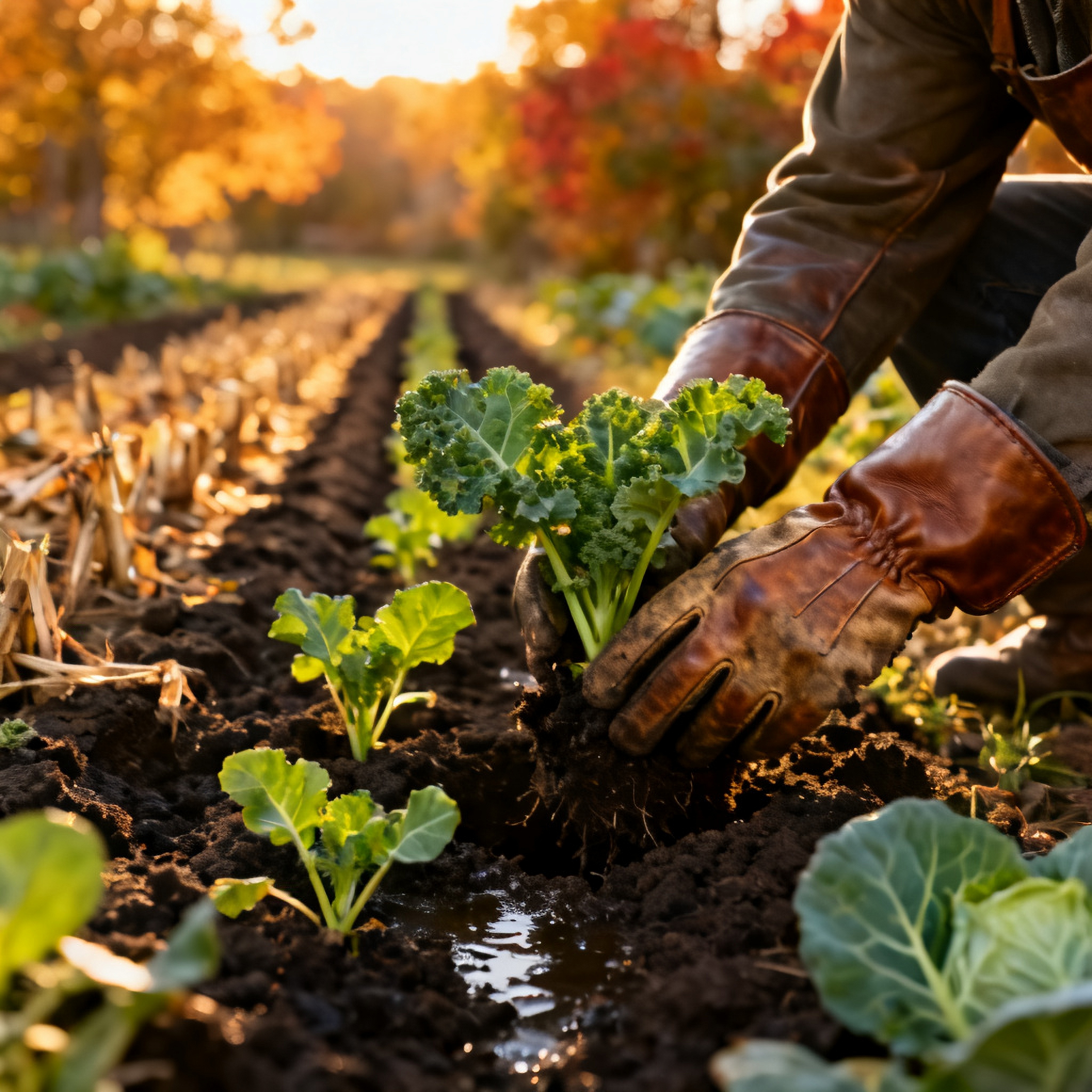
Understanding succession planting vs crop rotation is the ultimate secret to transforming a modest backyard plot into a high-yielding, self-sustaining food security engine. While beginner gardeners often treat these terms interchangeably, seasoned homesteaders know they represent two distinct, power-packed strategies that solve entirely different garden challenges.
Rather than sowing all your seeds in one single spring push, strategically timing your planting dates creates a harmonious, continuous flow of fresh produce from your garden. When you sow The Seed Guy® non-GMO heirloom seeds, utilizing both techniques simultaneously allows you to maximize every square foot of garden real estate. Succession planting guarantees your dinner table enjoys a steady bounty without kitchen overwhelm or spoilage, while crop rotation protects your soil health and naturally breaks insect pest cycles. Let's break down how to master both strategies step-by-step.
Quick Comparison: Key Differences at a Glance
| Strategy | Primary Core Focus | Time Horizon | Primary Goal |
|---|---|---|---|
| Succession Planting |
Timing & Harvest Schedule | Single Season Weeks/ Months |
Continuous yield, no harvest gaps |
| Crop Rotation | Soil Health & Plant Families | Multi-Year Plan (3-4 Years) |
Prevent diseases & soil depletion |
Part 1: Mastering Succession Planting for Continuous Harvests
Succession planting is the art of staggering your seed sowing so you harvest fresh, crispy vegetables consistently throughout spring, summer, and autumn rather than getting overwhelmed by a single massive surge that ends up spoiling on your kitchen counter.
There are four powerful ways to implement succession planting in your garden:
- Time-Based Staggering (Interval Sowing): Plant smaller quantities of the same crop every 10 to 14 days. For instance, sowing a fresh row of peppery Radishes or tender Carrots every two weeks delivers a steady stream of crisp roots for daily salads and snacking without an overwhelming glut.
- Variety-Based Succession (Seasonal Transitions): Cultivate different crops in the exact same footprint as seasons shift. Imagine starting with crisp early spring peas; once their harvest winds down, immediately pull the spent vines and plant robust summer bush beans in their place, creating a vibrant tapestry of lush greenery from early spring to late fall.
- Varietal Staggering (Maturity Dates): Plant early-season, mid-season, and late-season heirloom varieties of the same vegetable family on the same day. By carefully checking the "Days to Maturity" listed on your seed packets, you ensure your crops naturally mature weeks apart automatically!
- Intercropping & Companion Harmony: Sow fast-growing crops right alongside slower, heavy feeders. Thoughtfully pairing compatible crops ensures plants don't compete for vital soil nutrients—like tucked-in radishes that mature and get harvested before neighboring tomato plants expand and cast shade.
Part 2: Mastering Crop Rotation for Unbreakable Soil Health
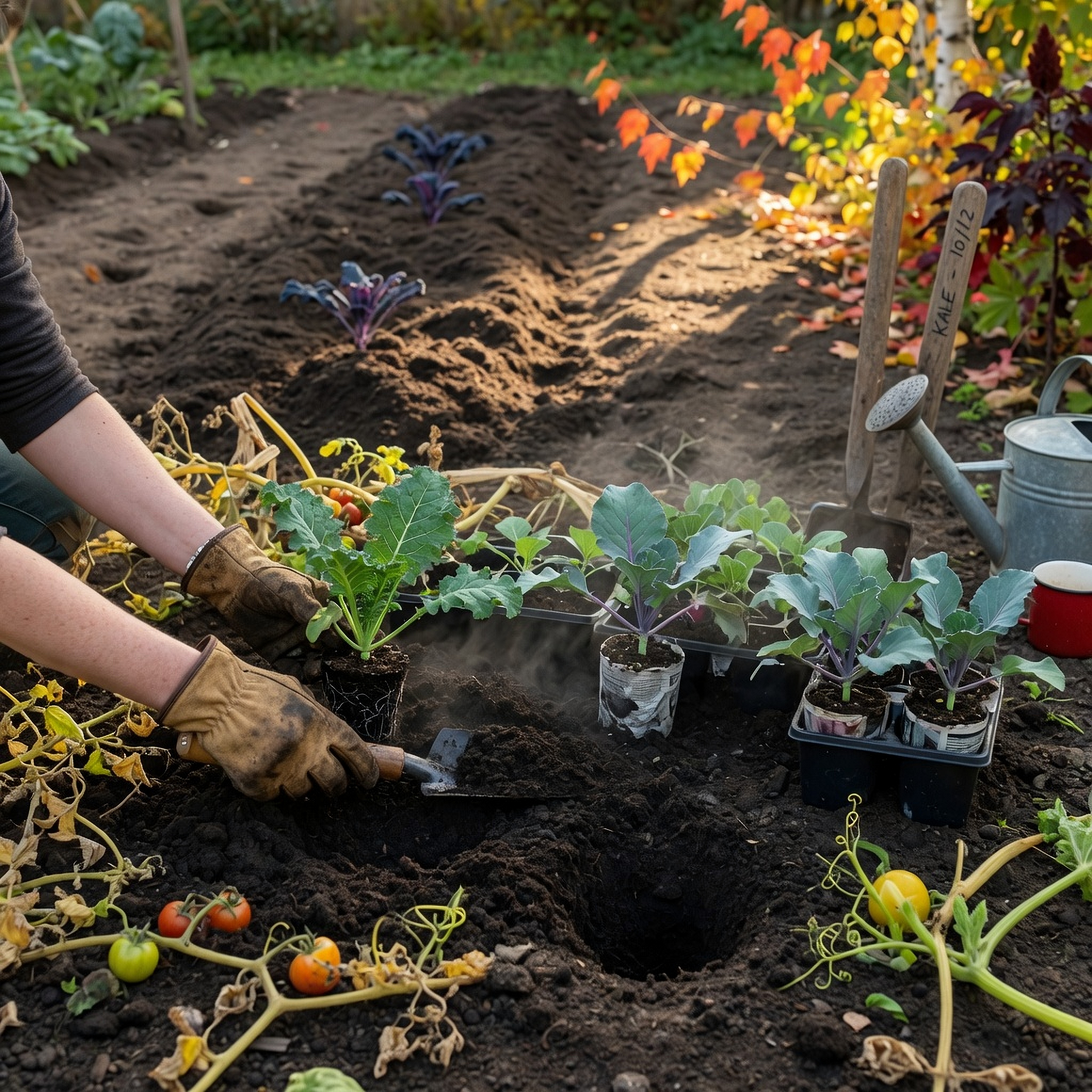
While succession planting manages your calendar, crop rotation manages your soil biological health. If you plant crops from the same botanical family in the exact same spot year after year, soil-borne diseases, fungal spores, and specialized pests like flea beetles and hornworms build up in the soil, starving your plants of vital nutrients.
The Classic 4-Bed Homestead Rotation Plan:
Organize your garden beds or raised beds into four main crop families and rotate them clockwise each spring:
- Bed 1 - Heavy Feeders (Nightshades/Brassicas): Tomatoes, peppers, Broccoli, and Cabbage require high nitrogen levels.
- Bed 2 - Heavy Givers (Legumes): Peas and beans naturally fix atmospheric nitrogen into the soil, replenishing depleted beds.
- Bed 3 - Light Feeders (Root Crops): Carrots, Beets, and Turnips thrive in moderate nutrient levels and help loosen deep soil layers.
- Bed 4 - Soil Rest (Leafy Greens/Cucurbits): Squash, melons, Kale, and Swiss Chard build structure before the bed returns to heavy feeding duty next cycle.
Get the complete printable version of our Succession Planting vs. Crop Rotation Chart to keep on your garden workbench or clip to your binder!
The Seed Guy® Promise
At The Seed Guy®, we believe food independence isn't seasonal—it's a lifestyle. Our non-GMO, open-pollinated heirloom seeds are selected for hardiness and genetic vigor, empowering you to keep your family fed and self-reliant throughout every month of the year.
Homestead Seed Storage Tip: Combining a succession planting schedule with our comprehensive The Seed Guy® Heirloom Seed Packages gives you all the non-GMO varieties you need for multiple planting rounds, safely packed inside heavy-duty silver Mylar storage bags!
🌱 Join The Seed Guy® Homestead Community!
Follow us on Facebook and Instagram for weekly gardening tips, seasonal harvest ideas, and heirloom seed giveaways!
Step by Step Guide - Expand Your Homestead Knowledge
If you enjoyed this guide, you may find these other Gardening Essentials helpful:
The Ultimate Homestead Garden Planning Guide — Map out your garden layout and timing.
Seed Starting 101: From Tray to Trench — Learn how to grow strong seedlings indoors.
Soil Health & Preparation — Build the foundation for a High-Yielding Harvest.
Tomato Growing Secrets — Pro-tips for a Flavor-Kissed Harvest.
Raised Bed Gardening — Learn the best Soil Recipes for elevated beds.
Planting & Soil Stewardship — Timing your harvest and understanding soil rhythms.
Garden Harmony: Companion Planting — Planting in partnership to naturally deter pests.
The Planting Calculator — How Much to Plant for fresh eating and food security.
Seed Saving: Preserving the Heirloom Legacy — Preserve your garden’s heritage for future generations.
Natural Pest Management — Protect your harvest without the use of harsh chemicals.
Composting: The Homestead’s Black Gold — Turn your kitchen and yard waste into a garden goldmine.

The Survival Seed Bank — Why genetic diversity and calorie density are your best food insurance.
Liquid Gold: DIY Comfrey Fertilizer — Brew the ultimate nutrient-dense "tea" for a high-yielding harvest.
The Kitchen Apothecary — Learn to heal and season with your heirloom herb harvest.
Watering Wisdom — Master the art of hydration for a resilient, deep-rooted heirloom harvest.
The Underground Powerhouse — The best cold-hardy varieties to kickstart your early season harvest.
The Master Yield Guide — Maximize your Garden ROI with our comprehensive production chart.
Growing Survival Grains — Essential techniques for cultivating calorie-dense grains in your home garden.
Small Space Success — Master the art of growing food security on your porch or windowsill.
Steps to Your Best Harvest Yet — Don't leave your 2026 garden to chance.
Tea Lights & Heirloom Seeds — Creating Your Own Enclosed Garden Oasis.
Grow Ancient Pseudo-Cereals — Get your superfood on with high-protein heirloom crops.
Extending Your Growing Season — Beat the frost and harvest year-round with cold frames and row covers.
Perennial Crops: Plant Once, Harvest Forever — Master perennial crops for multi-generational homestead food security.
The Second Harvest Blueprint — Master autumn planting and frost-hardy heirlooms for year-round food security.
Succession Planting vs Crop Rotation — Unlock continuous harvests and unbreakable soil health in your home garden.