Building The Living Soil Needed For A Soil Health & Preparation Guide
Master composting, balance your soil pH with the right testing tools, and build the ultimate organic foundation for a heavy-yielding homestead harvest.
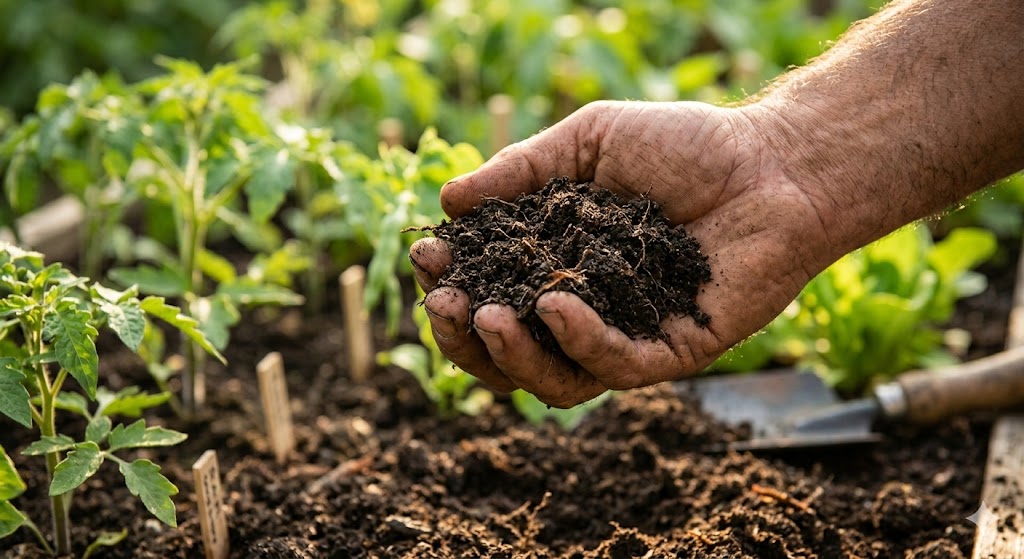
At the heart of every high-yielding heirloom garden is a vibrant, living ecosystem. True soil health & preparation isn't just about dirt; it's about the beneficial bacteria, fungi, and earthworms that turn deep minerals into direct plant food. Before you plant your heirloom corn or heavy-feeding squash, it is vital to understand exactly what your property layout requires. Paired with our high-vigor The Seed Guy® Heirloom Seed Packages, a healthy soil foundation is always the first step toward a kitchen pantry packed full of premium, home-grown food choices.
Phase 1: Understanding The Ecosystem Beneath Your Feet
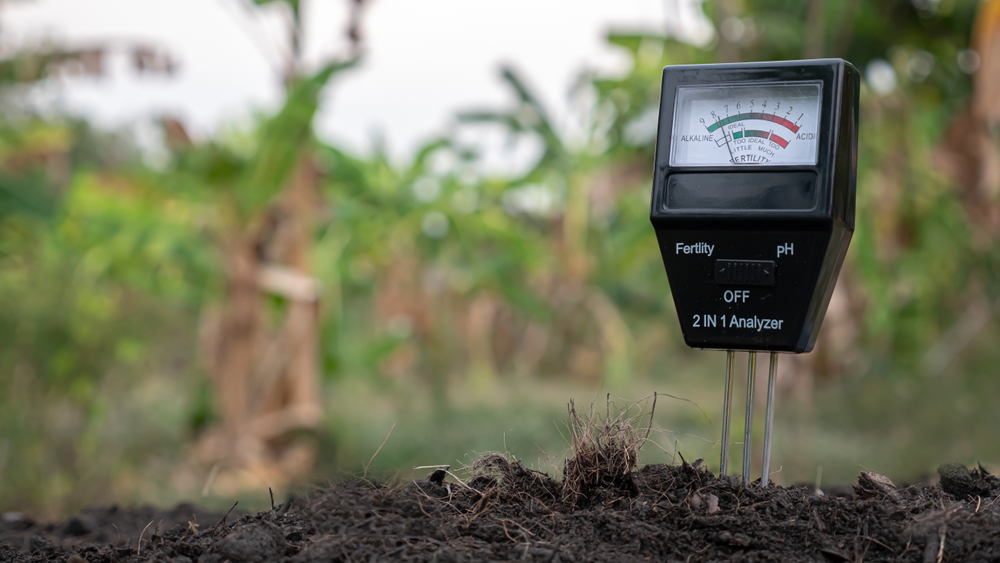
We recommend starting with a simple pH test across your vibrant organic plot systems to ensure your traditional roots sit in the perfect sweet spot, which usually favors a pH balance between 6.0 and 7.5. When your acreage is balanced, your crops can easily draw the intense minerals they need to grow strong and resist pests naturally. If your structural numbers are off, you could have the best supplemental inputs in the world, but your backyard plants will be completely locked out from eating!
How to Adjust Soil pH:
• To Raise pH (Make soil less acidic): Incorporate garden lime into your beds.
• To Lower pH (Make soil more acidic): Incorporate elemental sulfur or natural organic materials like pine needles.
Taking The Guesswork Out: Why Every Homesteader Needs Soil Testing Tools
Guessing your soil's health is like baking a cake with your eyes closed! Investing in a reliable soil pH meter and soil thermometer gives you real-time lab data right in your own garden bed. A soil thermometer tells you the exact moment your soil hits that magic 70°F mark for seed germination, while a pH tester ensures your plants can actually ingest the nutrients in your compost. Here are three solid testing options depending on your budget:
- 🌱 Budget-Friendly Tier (Under $15): 3-in-1 Analog Soil Meters (like Sonkir or XLUX 3-in-1 Soil Moisture/pH/Light Meters). These dual-probe analog units require no batteries—you simply push the probes 4 to 6 inches into damp soil for an instant reading on moisture, sunlight, and approximate pH. Great for quick spot-checks!
- 🌿 Mid-Range Homestead Workhorse ($25 – $45): Digital Testing Kits & Probes (like the Luster Leaf Rapitest 1601 Digital Soil Test Kit or Gain Express Digital Soil Thermometer & pH Probe). Digital readouts eliminate color-chart guessing. These kits allow you to test pH alongside nitrogen, phosphorus, and potash levels for unmatched garden accuracy.
- 🏆 High-End / Pro Tier ($90 – $150+): Precision Glass Probe Testers (like the Hanna Instruments HI981030 GroLine Direct Soil pH Tester or Bluelab Soil pH Pen). The gold standard for serious seed savers and commercial homesteaders. Featuring direct-insertion glass electrode tips and automatic temperature compensation, these yield lab-grade accuracy so you never burn a bed or lock out delicate heirloom roots again!
Phase 2: Mastering The Homestead Compost Heap
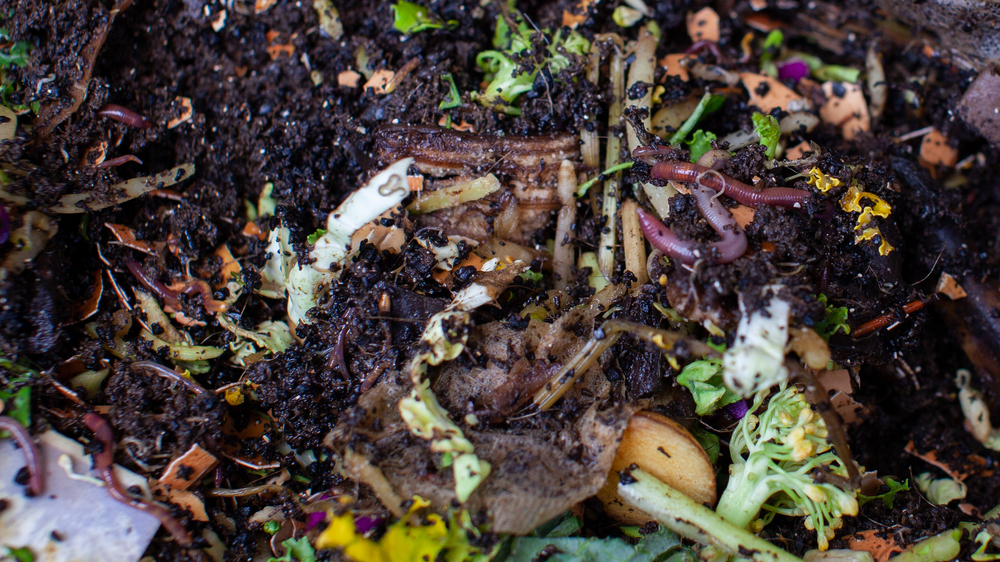
On the homestead, we believe in giving back to the earth more than we take to maintain living soil structures. Crafting nutrient-rich compost begins by choosing your ideal composting setup—whether that's a classic aerated pile, a 3-bin wooden system, insulated hot bins, tumbler barrels, or even worm compost systems.
The 5-Step Composting Blueprint:
- Gather Materials: Balance nitrogen-rich "greens" (fruit and vegetable scraps, coffee grounds, fresh grass clippings) with carbon-rich "browns" (dried leaves, straw, chopped cardboard).
- Layer the Materials: Start at the base with coarse browns for optimal drainage, then alternate green and brown layers evenly.
- Maintain Moisture: Strive for the moisture level of a wrung-out sponge. Add water if too dry, or toss in extra browns if too wet.
- Aerate & Monitor Temperature: Turn your pile every few weeks to introduce oxygen. Keep a close eye on microbial heat; the optimal decomposition temperature range sits between 130°F and 160°F (55°C to 70°C).
- Finish the Compost: After several months, your compost will transform into a dark, crumbly treasure with a rich, earthy aroma, ready to feed your garden rows!
Phase 3: The No-Till Advantage & Soil Stewardship
One of the finest ways to protect your long-term food security is to stop disturbing your premium fertility zones! While traditional deep tilling was once the agricultural standard, many modern homesteaders are moving toward sustainable no-till or low-till management. By leaving delicate biological networks intact, you shield the crucial mycorrhizae that help your plants reach deep for dynamic field nutrition.
Layering thick organic mulch directly on top of your high yielding backyard beds mimics the natural forest floor, locking in essential moisture and suppressing weeds. Furthermore, practicing smart crop rotation and sowing cover crops like clover or winter rye will naturally fix atmospheric nitrogen and prevent soil erosion. To verify your region's exact structural frost lines before establishing your outdoor rows, you can easily consult the external USDA Plant Hardiness Zone Map to plan your schedules.
Why choose a professional Soil Health & Preparation layout?
- ✅ High Yielding Backyard Beds: Enhanced microbial activity unlocks maximum mineral availability.
- ✅ Vibrant Organic Plot Systems: Deep rich humus structures maximize moisture retention during dry spells.
- ✅ Living Soil Structures: No-till layering perfectly preserves the fungal webs that feed plant root systems.
- ✅ The Seed Guy® Quality: Pairing top genetics with healthy soil guarantees premium multi-generational results.
At The Seed Guy®, we believe that providing for your family is a timeless legacy worth protecting. Our team has spent years cultivating the practical wisdom required to help you achieve a prolific harvest. When you follow our proven methods, you are joining a broad community of gardeners who value quality, self-reliance, and the security of a well-stocked pantry. Our crew is truly honored to help you build a robust homestead harvest that sustains your family for many seasons to come.
🌱 Join The Seed Guy® Gardening Community!
Share your composting wins, swap soil health advice, and get early updates on rare seed restocks.
Follow us on social media and grow with thousands of home gardeners across the nation!
Step by Step Guide - Expand Your Homestead Knowledge
If you enjoyed this guide, you may find these other Gardening Essentials helpful:
The Ultimate Homestead Garden Planning Guide — Map out your garden layout and timing.
Seed Starting 101: From Tray to Trench — Learn how to grow strong seedlings indoors.
Soil Health & Preparation — Build the foundation for a High-Yielding Harvest.
Raised Bed Gardening — Learn the best Soil Recipes for elevated beds.
Tomato Growing Secrets — Pro-tips for a Flavor-Kissed Harvest.
Planting & Soil Stewardship — Timing your harvest and understanding soil rhythms.
Garden Harmony: Companion Planting — Planting in partnership to naturally deter pests.
The Planting Calculator — How Much to Plant for fresh eating and food security.
Seed Saving: Preserving the Heirloom Legacy — Preserve your garden’s heritage for future generations.
Natural Pest Management — Protect your harvest without the use of harsh chemicals.
Composting: The Homestead’s Black Gold — Turn your kitchen and yard waste into a garden goldmine.
The Survival Seed Bank — Why genetic diversity and calorie density are your best food insurance.
Liquid Gold: DIY Comfrey Fertilizer — Brew the ultimate nutrient-dense "tea" for a high-yielding harvest.
The Kitchen Apothecary — Learn to heal and season with your heirloom herb harvest.
Watering Wisdom — Master the art of hydration for a resilient, deep-rooted heirloom harvest.
The Underground Powerhouse — The best cold-hardy varieties to kickstart your early season harvest.
The Master Yield Guide — Maximize your Garden ROI with our comprehensive production chart.
Fall Gardening & Winter Prep — Extend your growing season and protect your soil for spring.
Growing Survival Grains — Essential techniques for cultivating calorie-dense grains in your home garden.
Small Space Success — Master the art of growing food security on your porch or windowsill.
Steps to Your Best Harvest Yet — Don't leave your 2026 garden to chance.
Tea Lights & Heirloom Seeds — Creating Your Own Enclosed Garden Oasis.
Grow Ancient Pseudo-Cereals — Get your superfood on with high-protein heirloom crops.
Extending Your Growing Season — Beat the frost and harvest year-round with cold frames and row covers.
Perennial Crops: Plant Once, Harvest Forever — Master perennial crops for multi-generational homestead food security.
The Second Harvest Blueprint — Master autumn planting and frost-hardy heirlooms for year-round food security.
Succession Planting vs Crop Rotation — Unlock continuous harvests and unbreakable soil health in your home garden.