

Providing Quality Heirloom & Non-GMO Seeds Since 2012
Providing Quality Heirloom & Non-GMO Seeds Since 2012
 Approx. 400 Premium Seeds
(100% Non-GMO, Heirloom)
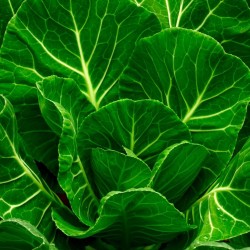
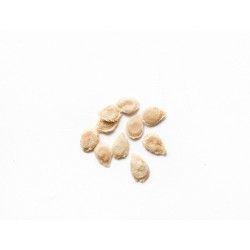
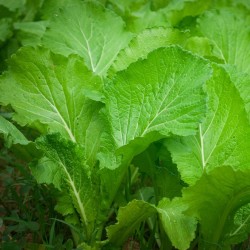
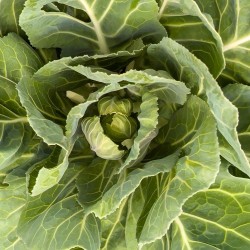
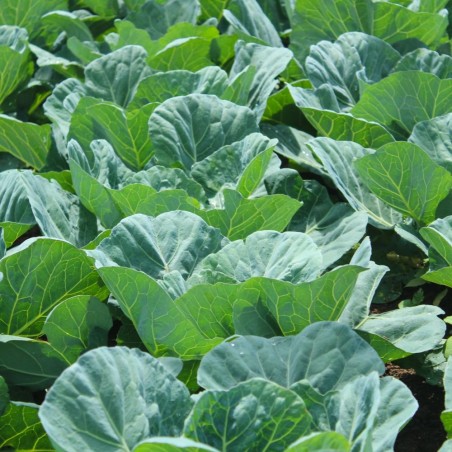
Shop the highest quality Georgia Southern Collards seeds for a traditional and nutrient-dense harvest. When it comes to reliability in the garden, Georgia Southern (also known as Georgia Jet) is the undisputed heavyweight champion. This pre-1880 heirloom has been a cornerstone of American gardens for generations, prized for its massive, cabbage-like blue-green leaves and its ability to withstand extreme weather conditions. At The Seed Guy®, we recommend planting these open-pollinated collard seeds georgia options because it is the "Big Kahuna" of resilience; it shrugs off the sweltering heat of a Southern summer just as easily as it handles a heavy winter frost. The flavor is rich, savory, and traditional—the perfect base for a classic pot of greens seasoned with a little smoky flavor.
In the garden, choosing our quality collard seeds georgia packets delivers an incredibly productive crop, often reaching 2 to 3 feet in height. Unlike many other greens that bolt at the first sign of heat, selecting these premium collard seeds georgia stocks ensures they stay tender and sweet throughout the season to provide a traditional and nutrient-dense harvest. They are a fantastic companion plant for onions, potatoes, and celery, and their vigorous growth habit makes purchasing these collard seeds georgia choices a reliable food source for the self-sufficient homestead. Because they are frost-hardy, the leaves actually become sweeter after a light freeze as the plant converts starches into natural sugars. Whether you are sautéing them, adding them to hearty soups, or using them as a healthy, low-carb wrap, these greens deliver a massive nutritional punch of Calcium, Iron, and Vitamin A. At The Seed Guy®, our seeds are tested for elite germination and lightning-fast vigor, ensuring your garden is stocked with this timeless heirloom classic.
Why choose heirloom Georgia Southern Collards Seeds?
✅ 100% Non-GMO & Open-Pollinated
✅ Supreme heat-tolerance and cold-hardiness
✅ Massive yields of tender, non-heading blue-green leaves
✅ Nutrient-dense superfood rich in Calcium and Vitamins
✅ Flavor improves and sweetens after a light frost
✅ Versatile for traditional southern cooking, soups, and wraps
✅ Reliable "cut-and-come-again" growth for a long harvest season
Our premium selection makes it easy to find a traditional and nutrient-dense harvest online. These hardy heirloom collards produce classic soul food greens from non-gmo brassica seeds. If you are looking for productive blue green leaves, our inventory holds the finest non-gmo heirloom choices for your garden rows. Brought to you by The Seed Guy ®.
 SPRING KICKOFF: Don't leave your 2026 garden to chance! Master soil vitality and cold-hardy strategies in our Steps to Your Best Harvest Yet guide. SPRING KICKOFF: Don't leave your 2026 garden to chance! Master soil vitality and cold-hardy strategies in our Steps to Your Best Harvest Yet guide. |
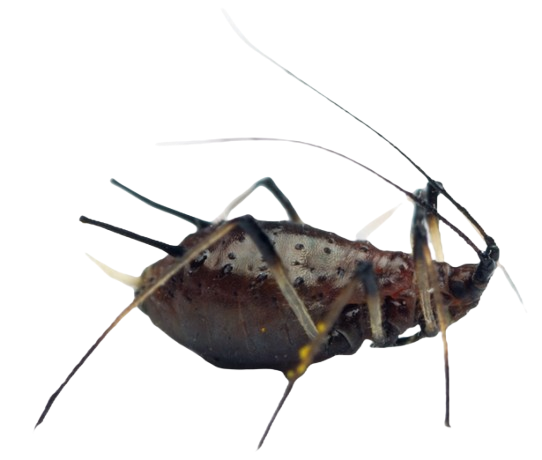 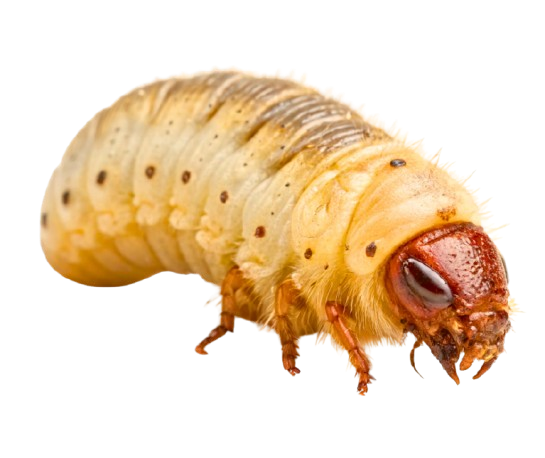 |
GARDEN DEFENSE: Stop White Grubs and Aphids! Protect your crops organically with our internal Natural Pest Management Guide. For more community growing tips, follow The Seed Guy ® on Facebook. |
 Security Policy - Site has a valid certificate issued by a trusted authority, credit card information is secure.
 Shipping & Delivery Policy - Current processing time is 1-3 days, order then ships via USPS Priority or USPS First Class Mail.
 Return policy- 30 day return assurance, refer to the link at the bottom of the page for details.
Quick Growing Specifications:
Hardiness Zone: 3-12
Days to Maturity: 70-80 Days
Planting Depth: 1/4" to 1/2" Deep
Plant Spacing: 12-18" Apart
Germination: 5-10 Days
Georgia Southern Collards Planting Instructions:
1. When to Plant: Collards are incredibly hardy. Sow seeds directly into the garden 4 weeks before the last spring frost. For a fall harvest, sow seeds again in late summer. In warmer climates, collards can be grown throughout the winter.
2. Preparation: Collards thrive in fertile, well-drained soil with plenty of organic matter. Work the soil to a depth of 10 inches and incorporate compost or aged manure. They prefer a soil pH between 6.5 and 7.5 to prevent clubroot and ensure optimal nutrient uptake.
3. Sowing: Sow seeds 1/4 to 1/2 inch deep and about 3 inches apart in rows spaced 24-30 inches apart. Keep the soil surface consistently moist during the germination period. Because they are fast growers, you will see sprouts quickly in warm soil.
4. Thinning and Care: Once seedlings are 3 or 4 inches tall, thin them to 12-18 inches apart to allow for their large spreading leaves. Provide at least 1 to 1.5 inches of water per week. Mulching around the base will help retain moisture and keep the roots cool during summer heatwaves.
5. Pests and Diseases: Cabbage worms and harlequin bugs can be common visitors. Check the undersides of leaves regularly or use a light row cover to protect young plants. To avoid soil-borne diseases, rotate your collards so they are not planted where other brassicas (like broccoli or cabbage) grew the previous year.
Specific References
No customer reviews for the moment.
Approx. 400 Premium Seeds(100% Non-GMO, Heirloom)
Shop the highest quality Georgia Southern Collards seeds for a traditional and nutrient-dense harvest. When it comes to reliability in the garden, Georgia Southern (also known as Georgia Jet) is the undisputed heavyweight champion. This pre-1880 heirloom has been a cornerstone of American gardens for generations, prized for its massive, cabbage-like blue-green leaves and its ability to withstand extreme weather conditions. At The Seed Guy®, we recommend planting these open-pollinated collard seeds georgia options because it is the "Big Kahuna" of resilience; it shrugs off the sweltering heat of a Southern summer just as easily as it handles a heavy winter frost. The flavor is rich, savory, and traditional—the perfect base for a classic pot of greens seasoned with a little smoky flavor.
In the garden, choosing our quality collard seeds georgia packets delivers an incredibly productive crop, often reaching 2 to 3 feet in height. Unlike many other greens that bolt at the first sign of heat, selecting these premium collard seeds georgia stocks ensures they stay tender and sweet throughout the season to provide a traditional and nutrient-dense harvest. They are a fantastic companion plant for onions, potatoes, and celery, and their vigorous growth habit makes purchasing these collard seeds georgia choices a reliable food source for the self-sufficient homestead. Because they are frost-hardy, the leaves actually become sweeter after a light freeze as the plant converts starches into natural sugars. Whether you are sautéing them, adding them to hearty soups, or using them as a healthy, low-carb wrap, these greens deliver a massive nutritional punch of Calcium, Iron, and Vitamin A. At The Seed Guy®, our seeds are tested for elite germination and lightning-fast vigor, ensuring your garden is stocked with this timeless heirloom classic.
Why choose heirloom Georgia Southern Collards Seeds?
✅ 100% Non-GMO & Open-Pollinated
✅ Supreme heat-tolerance and cold-hardiness
✅ Massive yields of tender, non-heading blue-green leaves
✅ Nutrient-dense superfood rich in Calcium and Vitamins
✅ Flavor improves and sweetens after a light frost
✅ Versatile for traditional southern cooking, soups, and wraps
✅ Reliable "cut-and-come-again" growth for a long harvest season
Our premium selection makes it easy to find a traditional and nutrient-dense harvest online. These hardy heirloom collards produce classic soul food greens from non-gmo brassica seeds. If you are looking for productive blue green leaves, our inventory holds the finest non-gmo heirloom choices for your garden rows. Brought to you by The Seed Guy ®.
| SPRING KICKOFF: Don't leave your 2026 garden to chance! Master soil vitality and cold-hardy strategies in our Steps to Your Best Harvest Yet guide. |
|
GARDEN DEFENSE: Stop White Grubs and Aphids! Protect your crops organically with our internal Natural Pest Management Guide. For more community growing tips, follow The Seed Guy ® on Facebook. |