- On sale!
Providing Quality Heirloom & Non-GMO Seeds Since 2012
Providing Quality Heirloom & Non-GMO Seeds Since 2012
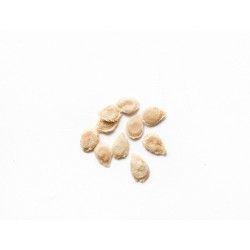
 Approx. 100 Premium Seeds
(100% Non-GMO, Heirloom, Open-Pollinated)
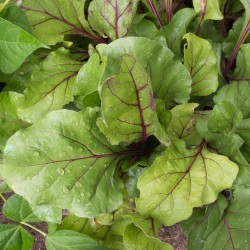
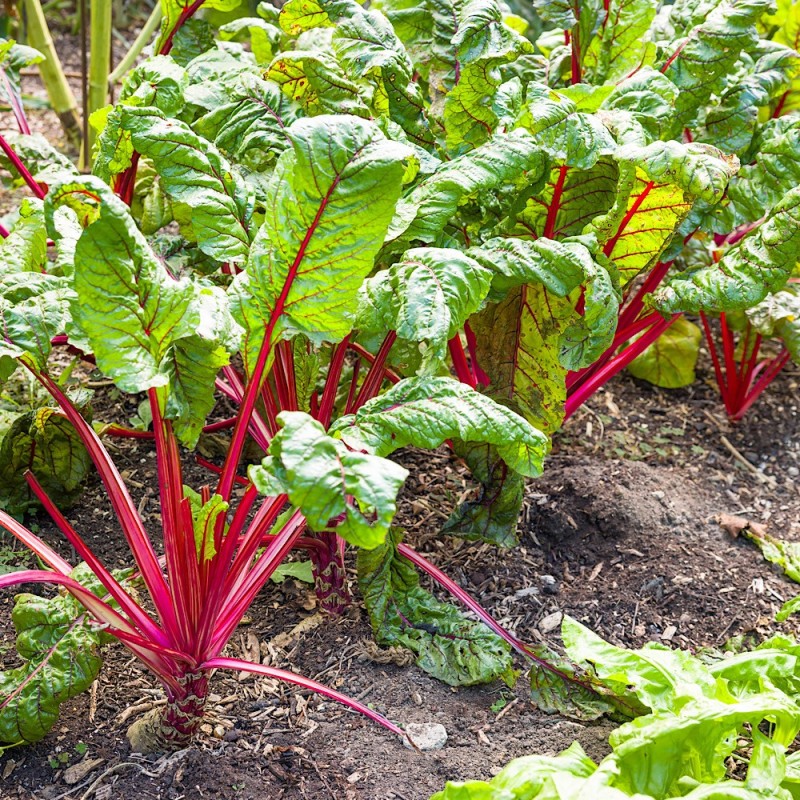
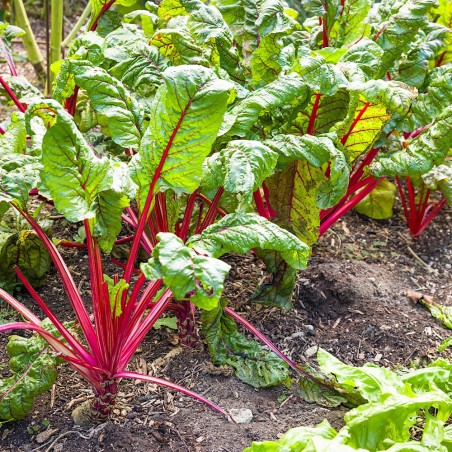
Shop the highest quality Ruby Red Swiss Chard seeds for a beautiful and productive garden. Purchasing our premium chard seeds swiss selection is an outstanding choice for producing an abundant and colorful backyard crop. Also known as Rhubarb Chard, Ruby Red is perhaps the most stunning variety of leafy green you can grow. With its deep, candy-apple red stalks and dark green, crinkled leaves, this vibrant superfood champion is a multi-purpose plant—it is just as at home in a decorative flower bed as it is in the vegetable garden. At The Seed Guy®, we recommend choosing our open-pollinated chard seeds swiss stock for the self-sufficient gardener because it is incredibly resilient, providing a steady harvest of vitamin-rich greens from early spring through the first hard freezes of winter. The flavor is mild and earthy, often described as a sweeter, more refined version of spinach.
In the garden, choosing our quality chard seeds swiss packets delivers a powerhouse of productivity. Unlike many other greens that wilt and bolt the moment the summer heat arrives, selecting these open-pollinated chard seeds swiss choices ensures your plants stay remarkably heat-tolerant, providing fresh greens on the table all summer long. It is a fantastic companion plant for onions, brassicas, and beans, and purchasing these chard seeds swiss stocks makes an excellent choice for raised beds or container gardening. Because it is an heirloom, the entire plant is edible; the stalks can be sautéed like asparagus, while the leaves are perfect for fresh salads, smoothies, or steaming. At The Seed Guy®, our seeds are tested for elite germination and vibrant color, ensuring your garden is as beautiful as it is bountiful.
Our premium selection makes it easy to find a vibrant superfood champion online. These candy apple red stalks seeds produce nutritious swiss chard that thrives on dark green crinkled leaves rows. If you are looking for dependable backyard salad crops, our inventory holds the finest non-gmo heirloom choices for your patch. Brought to you by The Seed Guy ®.
Why choose heirloom Ruby Red Swiss Chard Seeds?
✅ 100% Non-GMO & Open-Pollinated
✅ Stunning ornamental value with vibrant red stalks
✅ Nutrient-dense powerhouse rich in Vitamins A, C, and K
✅ Highly heat-tolerant and frost-resistant for long harvests
✅ Excellent for fresh eating, sautéing, and smoothies
✅ Prolific "cut-and-come-again" growth habit
✅ Mild, sweet flavor that is family-friendly
 SMALL SPACE SUCCESS: No backyard? No problem! Swiss Chard thrives in pots and planters. Learn how to grow a massive harvest in limited space with our Container Gardening Guide. SMALL SPACE SUCCESS: No backyard? No problem! Swiss Chard thrives in pots and planters. Learn how to grow a massive harvest in limited space with our Container Gardening Guide. |
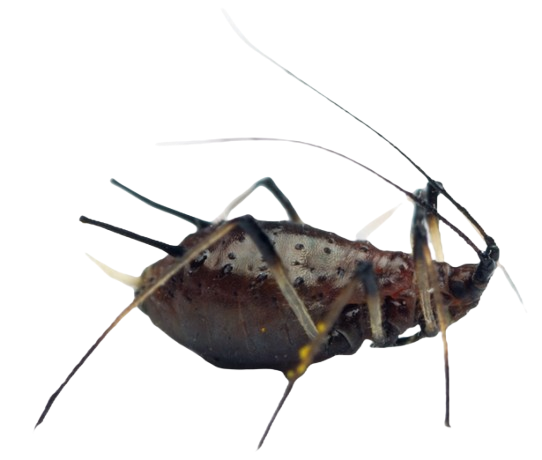 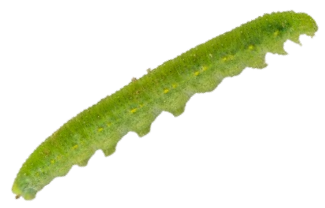 |
GARDEN DEFENSE: Stop Cabbage Worms and Aphids! Protect your crops organically with our internal Natural Pest Management Guide. For more community growing tips, follow our external page at The Seed Guy Facebook Page. |
 Security Policy - Site has a valid certificate issued by a trusted authority, credit card information is secure.
 Shipping & Delivery Policy - Current processing time is 1-3 days, order then ships via USPS Priority or USPS First Class Mail.
 Return policy- 30 day return assurance, refer to the link at the bottom of the page for details.
Quick Growing Specifications:
Hardiness Zone: 3-10
Days to Maturity: 55-60 Days
Planting Depth: 1/2" Deep
Plant Spacing: 8-12" Apart
Germination: 7-14 Days
Ruby Red Swiss Chard Planting Instructions:
1. When to Plant: Swiss Chard is a hardy biennial that can be sown as soon as the soil can be worked in the spring, about 2-3 weeks before the last frost. For a fall harvest, sow seeds again about 40-50 days before the first expected autumn frost.
2. Preparation: Swiss Chard prefers deep, well-drained soil rich in organic matter. Work the soil to a depth of 8 inches and incorporate aged compost. While it handles a variety of soil types, it performs best in a pH range of 6.0 to 7.0.
3. Sowing: Sow seeds 1/2 inch deep and 2 inches apart in rows spaced 12-18 inches apart. Like beets, Swiss Chard "seeds" are actually clusters that produce multiple seedlings, so expect to see several sprouts from each planting spot. Keep the soil consistently moist to ensure even germination.
4. Thinning and Care: Once seedlings are 3 inches tall, thin them to 8-12 inches apart to allow for full leaf development. Use the thinning's for a delicious baby green salad! Provide at least 1 inch of water per week, and mulch around the base to keep the roots cool and moisture-consistent during the heat of summer.
5. Pests and Diseases: Leaf miners and aphids are the most common pests for Swiss Chard. Check the undersides of leaves regularly and remove any infected foliage. To prevent fungal issues like Cercospora leaf spot, ensure proper spacing for airflow and avoid watering the leaves directly in the evening.
Specific References
No customer reviews for the moment.
Approx. 100 Premium Seeds(100% Non-GMO, Heirloom, Open-Pollinated)
Shop the highest quality Ruby Red Swiss Chard seeds for a beautiful and productive garden. Purchasing our premium chard seeds swiss selection is an outstanding choice for producing an abundant and colorful backyard crop. Also known as Rhubarb Chard, Ruby Red is perhaps the most stunning variety of leafy green you can grow. With its deep, candy-apple red stalks and dark green, crinkled leaves, this vibrant superfood champion is a multi-purpose plant—it is just as at home in a decorative flower bed as it is in the vegetable garden. At The Seed Guy®, we recommend choosing our open-pollinated chard seeds swiss stock for the self-sufficient gardener because it is incredibly resilient, providing a steady harvest of vitamin-rich greens from early spring through the first hard freezes of winter. The flavor is mild and earthy, often described as a sweeter, more refined version of spinach.
In the garden, choosing our quality chard seeds swiss packets delivers a powerhouse of productivity. Unlike many other greens that wilt and bolt the moment the summer heat arrives, selecting these open-pollinated chard seeds swiss choices ensures your plants stay remarkably heat-tolerant, providing fresh greens on the table all summer long. It is a fantastic companion plant for onions, brassicas, and beans, and purchasing these chard seeds swiss stocks makes an excellent choice for raised beds or container gardening. Because it is an heirloom, the entire plant is edible; the stalks can be sautéed like asparagus, while the leaves are perfect for fresh salads, smoothies, or steaming. At The Seed Guy®, our seeds are tested for elite germination and vibrant color, ensuring your garden is as beautiful as it is bountiful.
Our premium selection makes it easy to find a vibrant superfood champion online. These candy apple red stalks seeds produce nutritious swiss chard that thrives on dark green crinkled leaves rows. If you are looking for dependable backyard salad crops, our inventory holds the finest non-gmo heirloom choices for your patch. Brought to you by The Seed Guy ®.
Why choose heirloom Ruby Red Swiss Chard Seeds?
✅ 100% Non-GMO & Open-Pollinated
✅ Stunning ornamental value with vibrant red stalks
✅ Nutrient-dense powerhouse rich in Vitamins A, C, and K
✅ Highly heat-tolerant and frost-resistant for long harvests
✅ Excellent for fresh eating, sautéing, and smoothies
✅ Prolific "cut-and-come-again" growth habit
✅ Mild, sweet flavor that is family-friendly
| SMALL SPACE SUCCESS: No backyard? No problem! Swiss Chard thrives in pots and planters. Learn how to grow a massive harvest in limited space with our Container Gardening Guide. |
|
GARDEN DEFENSE: Stop Cabbage Worms and Aphids! Protect your crops organically with our internal Natural Pest Management Guide. For more community growing tips, follow our external page at The Seed Guy Facebook Page. |